
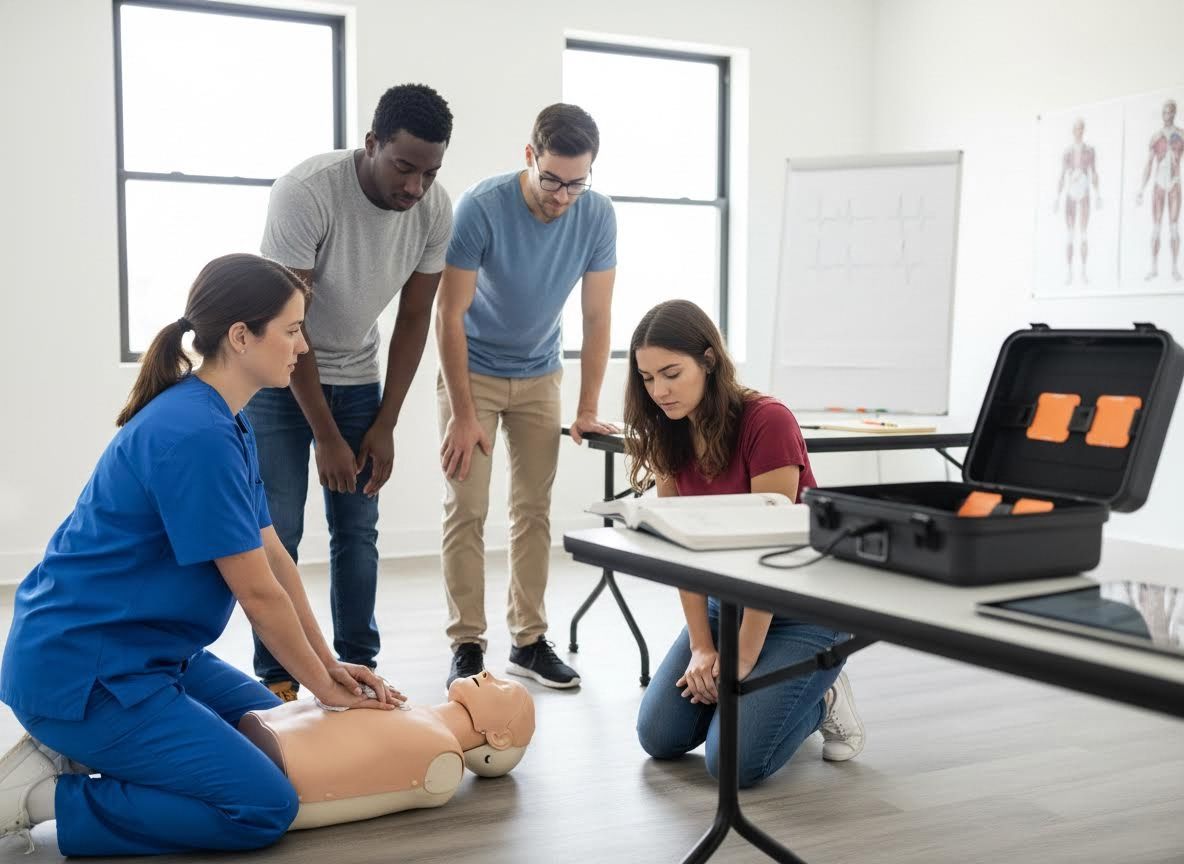
Embarking on a new professional path, especially within the healthcare field, requires dedication and the acquisition of crucial skills. One such fundamental certification that is widely recognized and often required is Basic Life Support (BLS). This training prepares individuals to respond effectively in life-threatening emergencies. At Dental Assistants School of Indiana, we understand the importance of comprehensive preparation, and this post will guide you through what you can expect when you pursue your BLS certification.
Understanding Basic Life Support (BLS)
BLS certification focuses on immediate, life-saving care that can be administered in various settings, both in and out of a hospital environment. It primarily covers techniques for cardiopulmonary resuscitation (CPR), choking relief, and the use of an automated external defibrillator (AED). For anyone considering a career in healthcare, such as a dental assistant, this certification is not just a regulatory requirement but a vital skill set that empowers them to act confidently during a medical crisis.
Key Skills You Will Master
During your BLS certification training, you will gain hands-on experience and theoretical knowledge in several key areas. The curriculum typically includes adult, child, and infant CPR, covering single-rescuer and multi-rescuer techniques. You will learn to recognize the signs of a cardiac arrest and how to initiate chest compressions and rescue breaths effectively.
The Learning Experience and Assessment
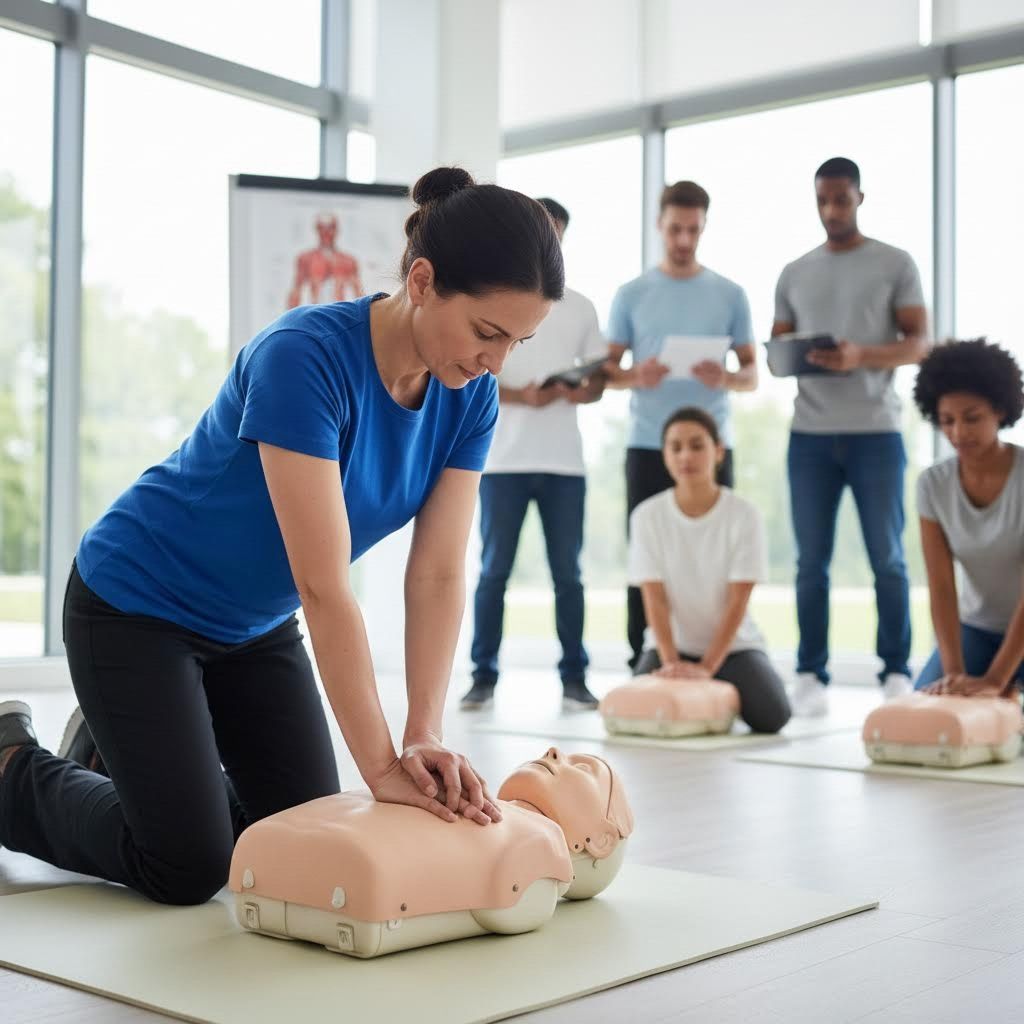
BLS certification courses are designed to be engaging and interactive, combining instructional videos, instructor-led discussions, and extensive hands-on practice using manikins. This practical approach ensures that participants not only understand the concepts but can also perform the life-saving techniques accurately and confidently under pressure. Most programs conclude with both a written exam to test your knowledge of emergency protocols and a practical skills assessment to verify your proficiency in CPR, AED use, and choking relief.
Who Benefits from BLS Certification?
While essential for emergency medical services personnel, BLS certification is crucial for a broad spectrum of professionals. It is often a mandatory requirement for healthcare providers, including nurses, doctors, paramedics, and medical assistants. Many vocational programs, such as those at a dental assistant school or a dental hygienist school, integrate BLS certification into their curriculum to ensure graduates are workplace-ready.
Taking the Next Step in Your Career Journey
If you're considering a fulfilling career as a dental assistant or another vital role in healthcare, understanding the requirements and benefits of training like BLS certification is paramount. To discover how Dental Assistants School of Indiana can help you achieve your professional aspirations with our specialized programs, we invite you to learn more about our comprehensive educational offerings.